Moving OutWear and Tear vs. Damage
What is Wear and Tear vs. Damage?
Wall
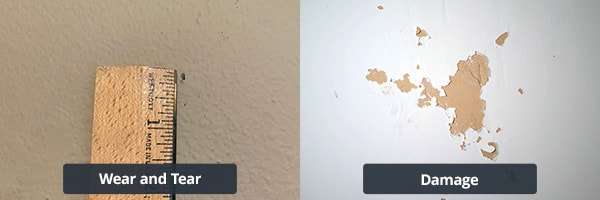
Allow small nail hole versus significant hole, drywall and paint damage.
Paint
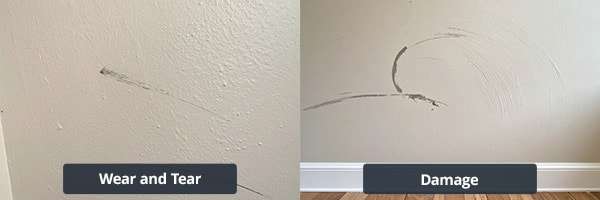
Normal scuffs from furniture or activity versus self-patching and painting attempts.
Flooring
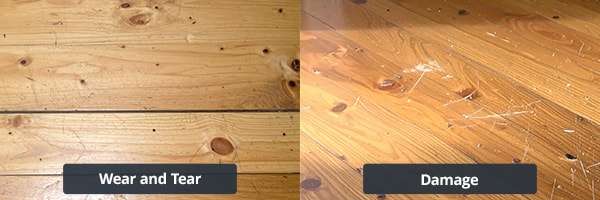
Naturally aged or well-traveled hardwood versus excessive scratches and dents.
Carpet
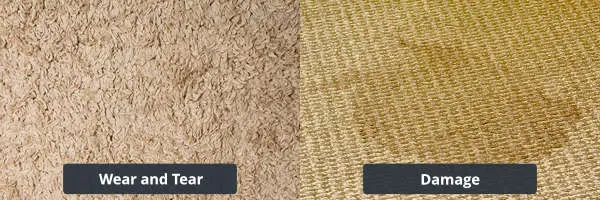
Worn carpet from normal traffic versus excessive stains, tears, or burns.
https://www.davispropertymanagement.com/wp-admin/post.php?post=7562&action=edit#yoast-seo-analysis-collapsible-metabox
Landscaping
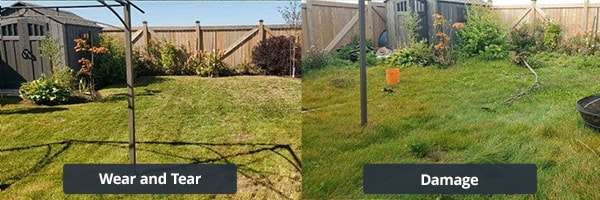
Normally maintained versus neglected yard.
Cleaning
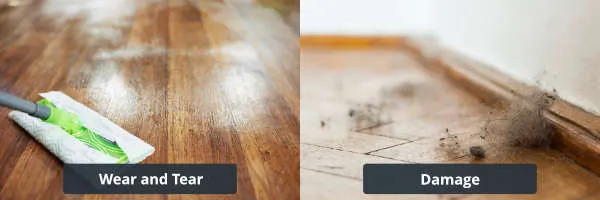
Dirty floor compared to a damaged floor.
Pet Damages
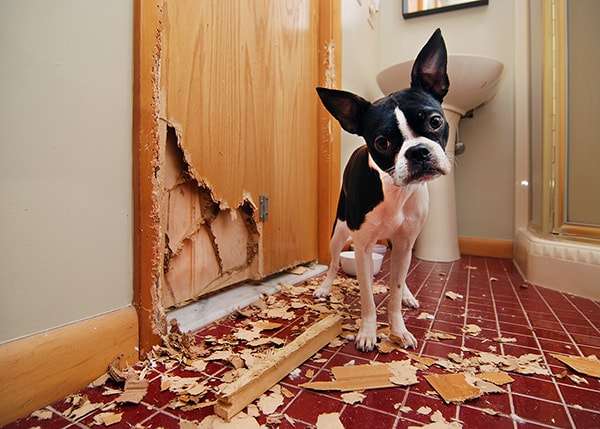
Scratching damage at doors or floors.

Urine smell and stains to carpet and carpet pads.

Damage to landscaping due to urine, digging or trampling bushes and flowers.
Security Deposits can be used to repair or replace Tenant-caused damage but cannot be applied to normal wear and tear. The difference lies in intent and responsibility. Washington State RCW 59.18.030 provides clear definitions while RCW 59.18.280 governs how Landlords must document and return security deposits. This states Landlords must provide an itemized list of deductions within 30 days of move-out.
Under Washington law (RCW 59.18.030), the definitions to refer to are:
- Normal Wear and Tear: Deterioration resulting from the intended use of a dwelling unit, including natural aging, minor scuffs, or routine maintenance needs.
- Damage: Deterioration beyond normal use, caused by negligence, carelessness, accident, or abuse of the premises, fixtures, equipment, appliances or furnishings.
Key Considerations
Length of Tenancy: The longer a tenant resides in a property, the more wear and tear should be expected. For instance, a carpet nearing the end of its lifespan cannot result in charges for replacement, regardless of its condition.
Life Expectancy of Items: Every item in a rental property has a defined lifespan, and any deductions from a security deposit must reflect the remaining usable life of the item. We consider not only manufacturer and industry standards but also adhere to Washington courts’ reliance on the U.S. Department of Housing and Urban Development (HUD) guidelines as a minimum benchmark.
Determining Charges for Damages
When to repair or replace:
- Repairs: Damage is minor or localized, the item is still functional and can be restored to good condition at a reasonable cost or the repair aligns with the item’s remaining lifespan and value.
- Replacements: If damage is extensive, making the item unusable or visually unacceptable, and the cost of repairs is close to or exceeds the cost of replacement, a full replacement may be necessary. However, tenants will only be charged the full replacement cost if the item was brand new at move-in and was damaged beyond repair during the lease. Additionally, tenants will not be held responsible for pre-existing damage or normal wear-and-tear replacements due to the item reaching the end of its expected lifespan.
Tenant charges:
- Any repair is 100% charged to the Tenant when above normal wear and tear
- Replacement costs are calculated as follows:
[Life expectancy of item] – [Age of item at move-in] – [Length of Tenancy] = Remaining Life Expectancy
[Total item replacement cost] X [% of Remaining Life Expectancy] = Tenant Responsibility
- Example: 10 year life expectancy – 5 years old at move-in – 3 year tenancy = 2 years or 20% of remaining life expectancy
- $2000 replacement cost X 20% = $400 charge to Tenant
The Role of the Security Deposit
The security deposit acts as a financial safeguard for both property owners and tenants.
- For owners, it provides protection against potential damages, unpaid rent, or other costs incurred during a tenant’s stay, helping to restore the property to its original condition and minimizing financial risk.
- For tenants, the security deposit offers reassurance that their responsibilities regarding property care and condition are clearly understood, with deductions made only for legitimate costs such as damage or unpaid fees.
This mutual understanding helps maintain a fair and transparent rental experience for both parties.
Most Common Charges Due to Damage
- Carpet stains or rips: Charges may apply if carpets have stains that cannot be removed with standard cleaning, pet damage, burns, or tears that require professional cleaning, repair, or replacement.
- Scratches or gouges in hard flooring: Deep scratches, dents, or gouges in hardwood, laminate, tile, or vinyl flooring that go beyond normal wear and require repair or replacement.
- Holes in walls larger than 3 mm: Holes larger than typical nail holes from picture hanging, including damage from anchors, wall mounts, or accidental impact that requires patching and repainting.
- Scratches, burns, or marks on countertops: Damage such as deep scratches, burn marks, chips, stains, or other marks that cannot be removed with normal cleaning.
- Unkept landscaping that requires cleanup: If the yard or landscaping has not been maintained according to the lease (e.g., excessive weeds, overgrown grass, dead plants, or debris) and requires professional cleanup or restoration.
- Items left behind that require a dump run: Furniture, trash, boxes, or other belongings left in the unit, garage, or yard that require removal and disposal.
- Cleaning of rental space (kitchens and bathrooms are most common): If the home is not returned in reasonably clean condition, charges may apply for professional cleaning of areas such as appliances, cabinets, bathrooms, floors, and fixtures.
Examples of Wear and Tear vs. Damage
| Wear and Tear | Damage | |
|---|---|---|
| Walls | Small nail holes caused by a 6-penny nail or smaller; faded paint; drywall cracks from settling | Large holes from wall anchors, screws, shelving, TV mounts, or abuse |
| Paint | Faded, chipped or cracked paint | Unapproved or bad paints jobs, paint spotting from improper cleaning |
| Doors | Loose hinges or handles; stubborn locks; closet bi-fold doors off track | Damage from forced entry; broken or missing locks; missing doors |
| Windows | Dirty window panes; sticky windows | Broken or missing windows |
| Carpet | Worn carpet traffic patterns, natural carpet rippling, carpet seams becoming unglued | Torn, burned, stained, ripped, or pet-damaged carpet |
| Flooring | Faded finish or lightly scuffed wood floors; linoleum worn thin | Scratched, gouged, warped, or water-damaged wood floors; linoleum with tears or holes |
| Countertops | Worn countertops from daily use | Burned, cut, stained, scratched, or water-damaged countertops |
| Bathroom Fixtures | Faded caulking around the bathtub and tiles; running toilet; slow drains | Missing caulking, broken toilet seat/tank top or cracked toilet bowl; drains clogged by toys, hair or other non-flushable objects |
| Lighting | Non-functioning older light fixtures | Missing, burnt out, or incorrect lightbulbs; broken fixtures |
| Blinds/Drapes/Curtains | Worn of heat-blistered mini-blinds; discoloration or loose screws on drapes or curtains | Broken, bent, or missing slats, wands, or hardware |
| Keys and Locks | Worn-out keys; loose or stubborn locks | Lost, broken, or unreturned keys; broken or missing locks |
| Screens | Dirty window and door screens | Torn or missing screens |
| Lawn | Dry lawn due to weather or normal conditions | Pet urine spots, dead patches, or excessive weeds |
| Smoke Detectors | Non-functioning due to wear | Missing or detached detectors; missing batteries |
| Odors | Musty odor in an aged home | Odors from pets, cooking, smoking, etc. |
| Miscellaneous | Hard water deposits | Mold or stains from preventable or unreported leaks |
For Tenants
To maximize your security deposit refund:
- Document Move-In Condition: Record photos and notes when moving in.
- Report Issues Promptly: Notify the property manager of leaks or other needed repairs early to prevent further damage.
- Perform Routine Maintenance: Keep the property clean and in good condition throughout your tenancy.
- Review Guidelines: Familiarize yourself with the examples above to avoid potential deductions.
- Avoid DIY repairs or cleaning, especially for walls and carpets: Attempting repairs or deep cleaning can often worsen the issue and result in additional charges if not properly completed.
For Property Owners
To handle security deposits fairly and effectively:
- Follow the Law: Refer to state and local regulations, like RCW 59.18.030, to ensure compliance.
- Set Clear Standards: Provide tenants with this guide and your specific property guidelines at move-in.
- Use Inspections: Conduct and document detailed move-in and move-out inspections.
- Account for Time: Consider tenancy length and item life expectancy when determining deductions.
- Proof of Damages Requiring Repair or Replacement: Ensure all billable damages are supported by the vendor invoice, pictures of damage, and record of the condition upon move-in.
Member of the Following Organizations